Old and New, Side by Side
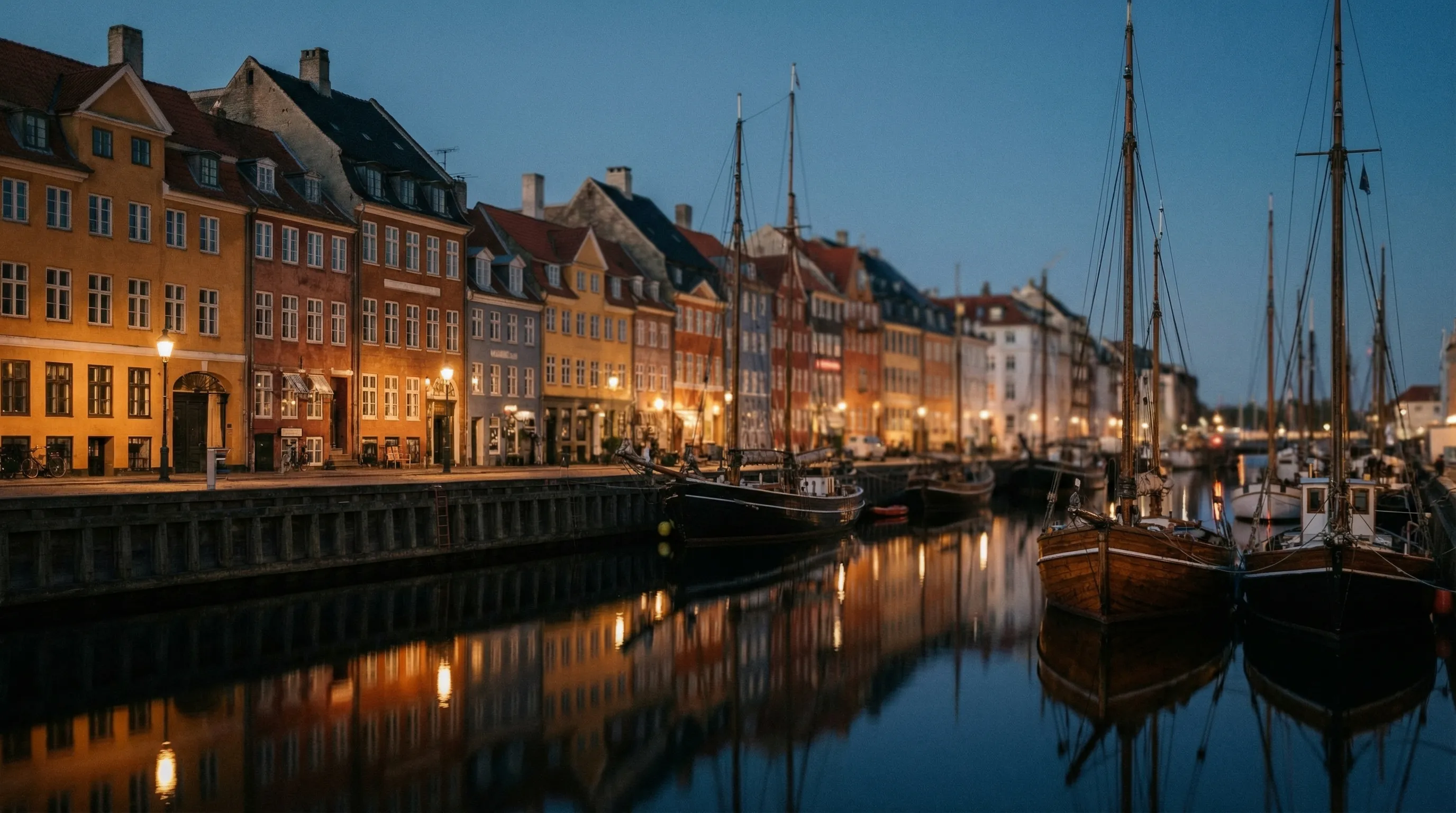
Copenhagen is a city of remarkable juxtapositions: medieval spires beside cutting-edge architecture, royal palaces neighbouring artisan coffee roasters, and waterways threading through neighbourhoods that each feel like their own small village.
More than half a million people live here, but it never quite feels like a big city. Distances are walkable, the harbour is clean enough to swim in, and you'll be on a bicycle within an hour of arriving. This is a place designed for life lived at human scale.
Seven Distinct Quarters
Each Copenhagen neighbourhood has its own pace and personality. Choose the one that matches the trip you want.
Indre By
The historic heart of Copenhagen. Cobblestone streets wind past royal palaces, medieval churches, and famous canals — most of the city's iconic sights are within walking distance here.
Vesterbro
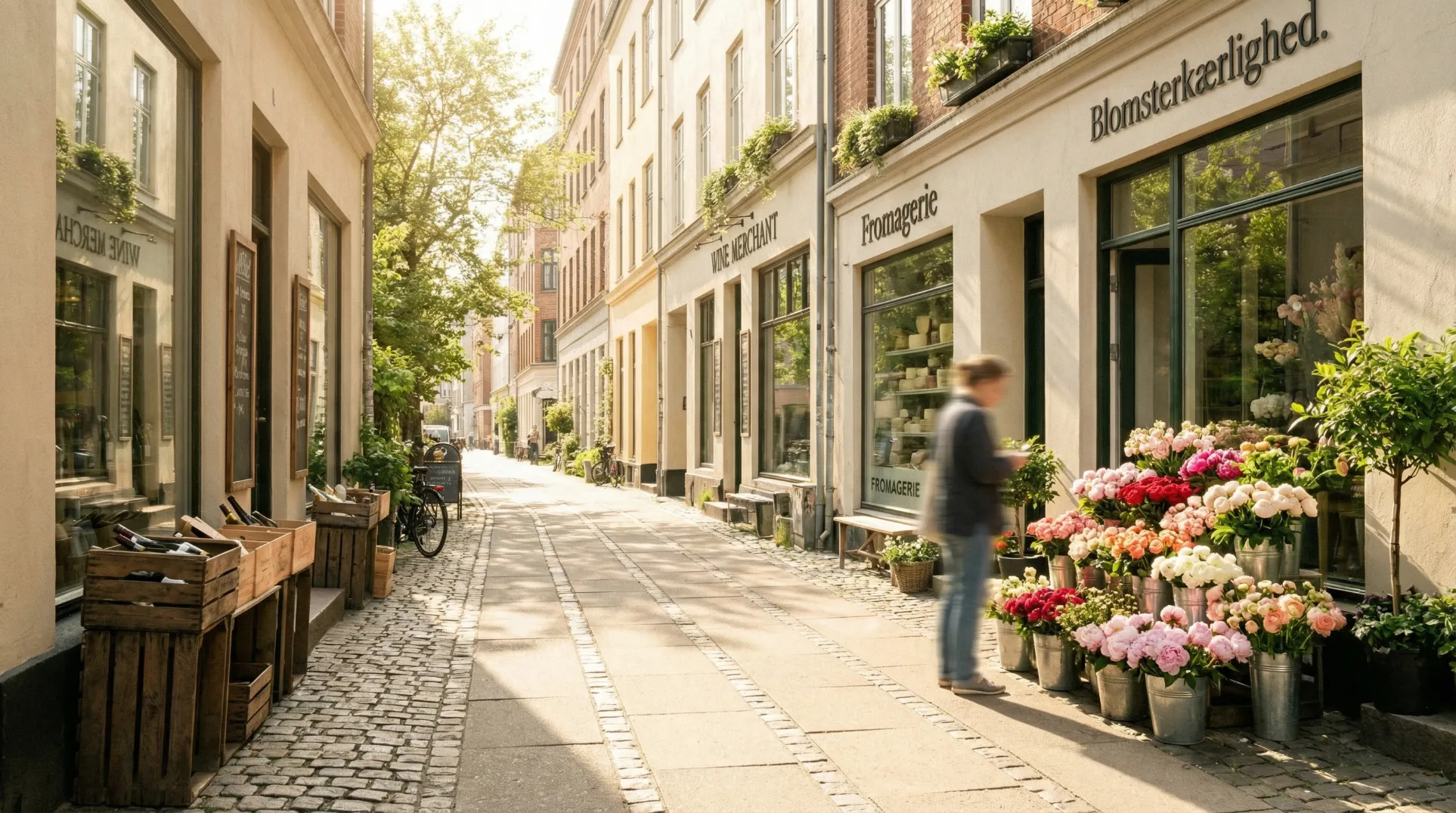
Once the red-light district, now the city's most creative quarter. The Meatpacking District (Kødbyen) buzzes with art galleries, chef-led restaurants, and some of Copenhagen's best nightlife.
Nørrebro
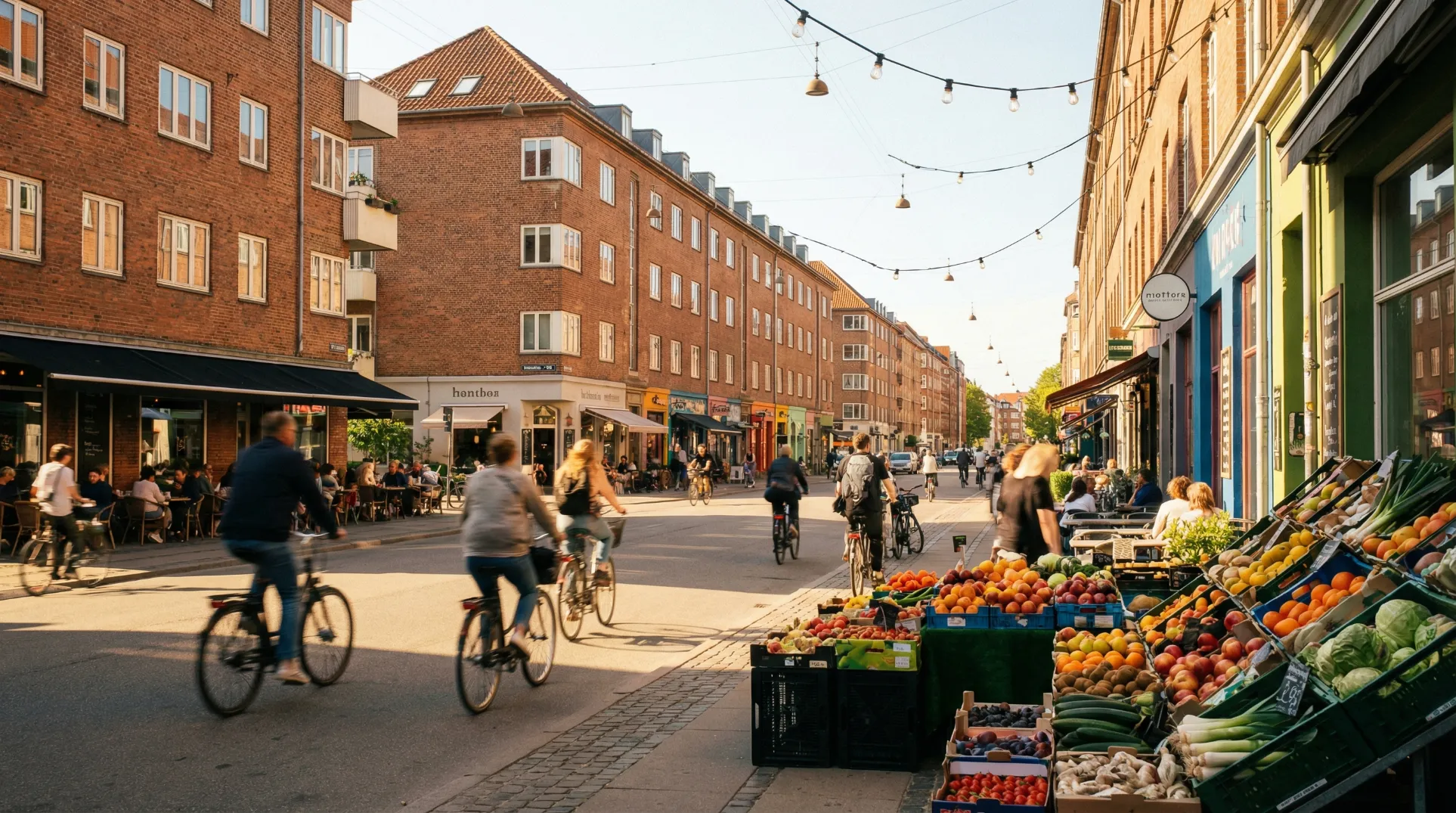
Copenhagen's most diverse and energetic area. Jægersborggade is lined with independent boutiques and coffee shops; the leafy Assistens Cemetery, where Hans Christian Andersen is buried, offers a peaceful escape.
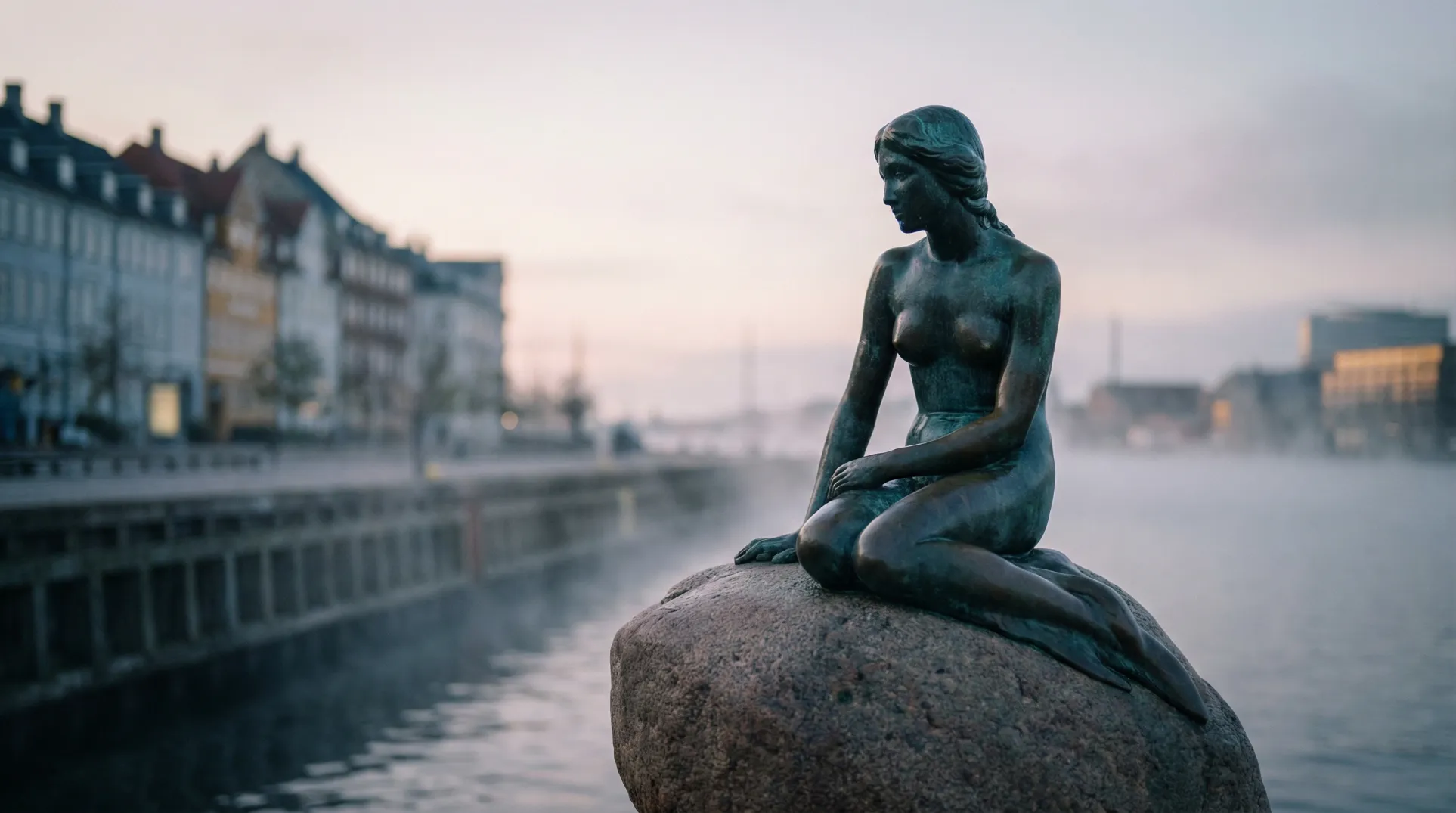
Østerbro
Wide boulevards, leafy avenues, and a relaxed, well-heeled atmosphere. Østerbro borders the vast Fælledparken park and is Copenhagen's most popular neighbourhood for families and long-term residents.
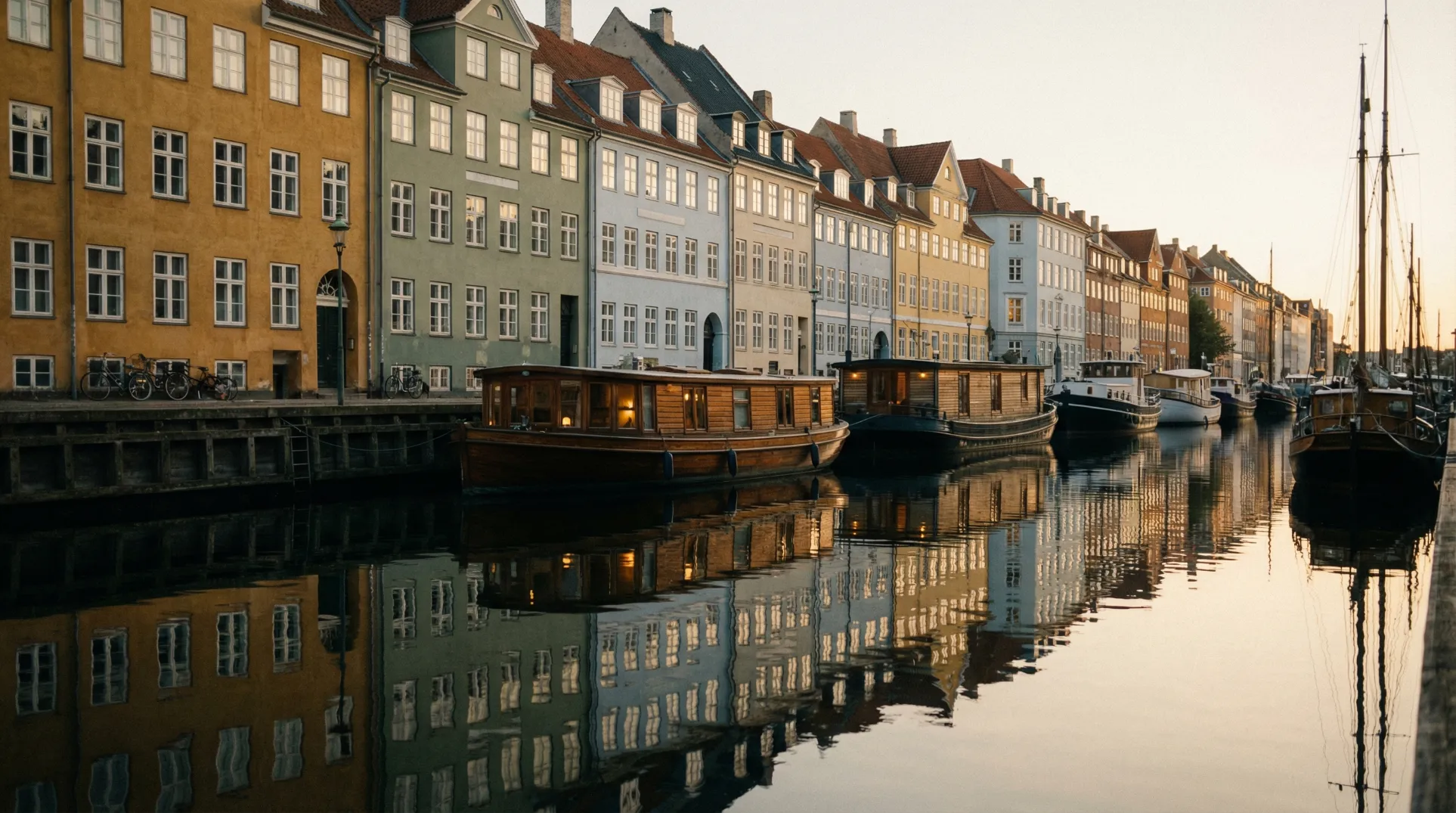
Christianshavn
Built on artificial islands, Christianshavn has the feel of a waterfront village within the city. It is also home to Christiania, the world-famous semi-autonomous freetown community.
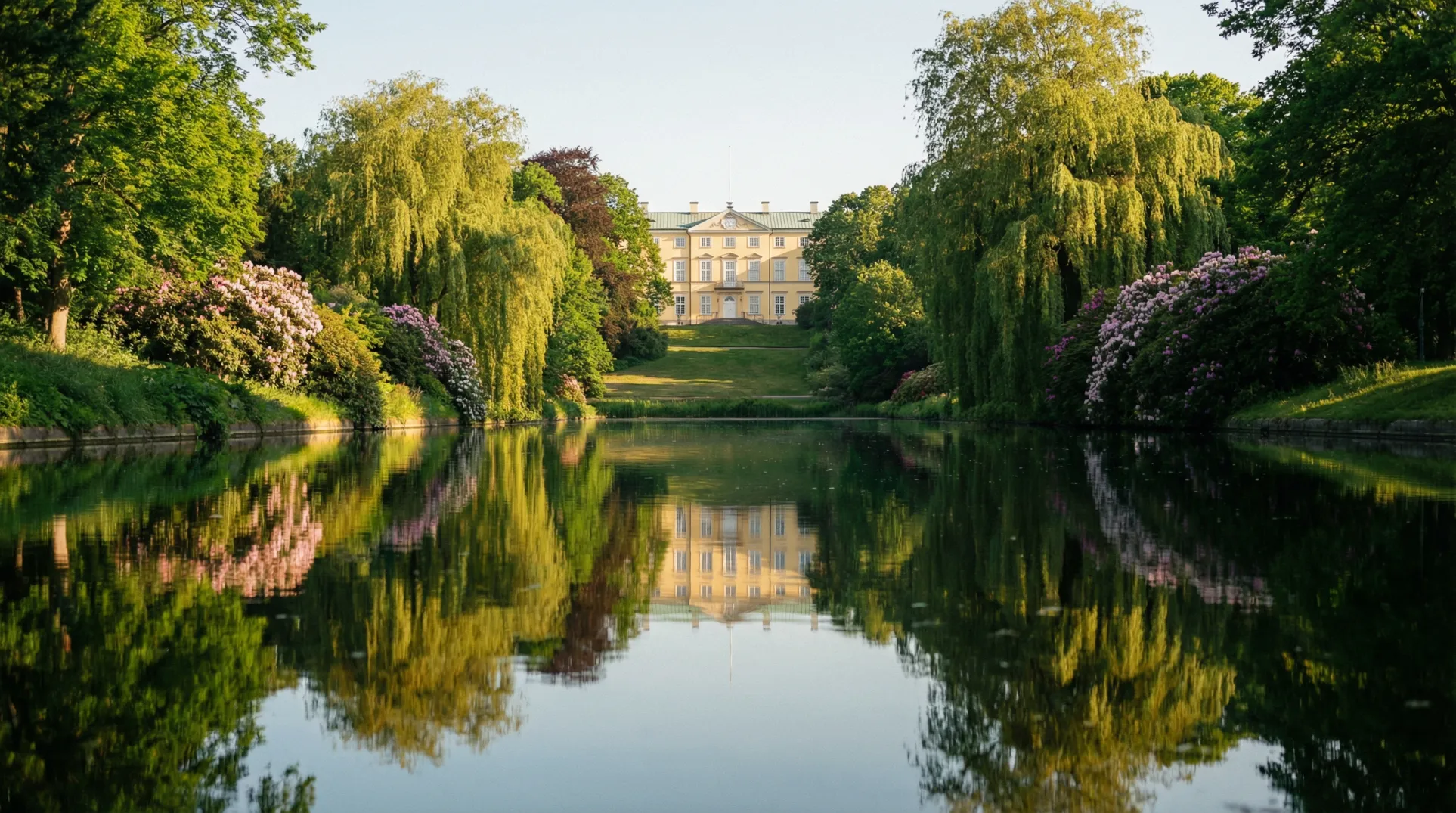
Frederiksberg
Technically its own municipality, Frederiksberg is a prestigious enclave entirely surrounded by Copenhagen. Grand tree-lined boulevards, stately architecture, and the magnificent Frederiksberg Gardens define its character.
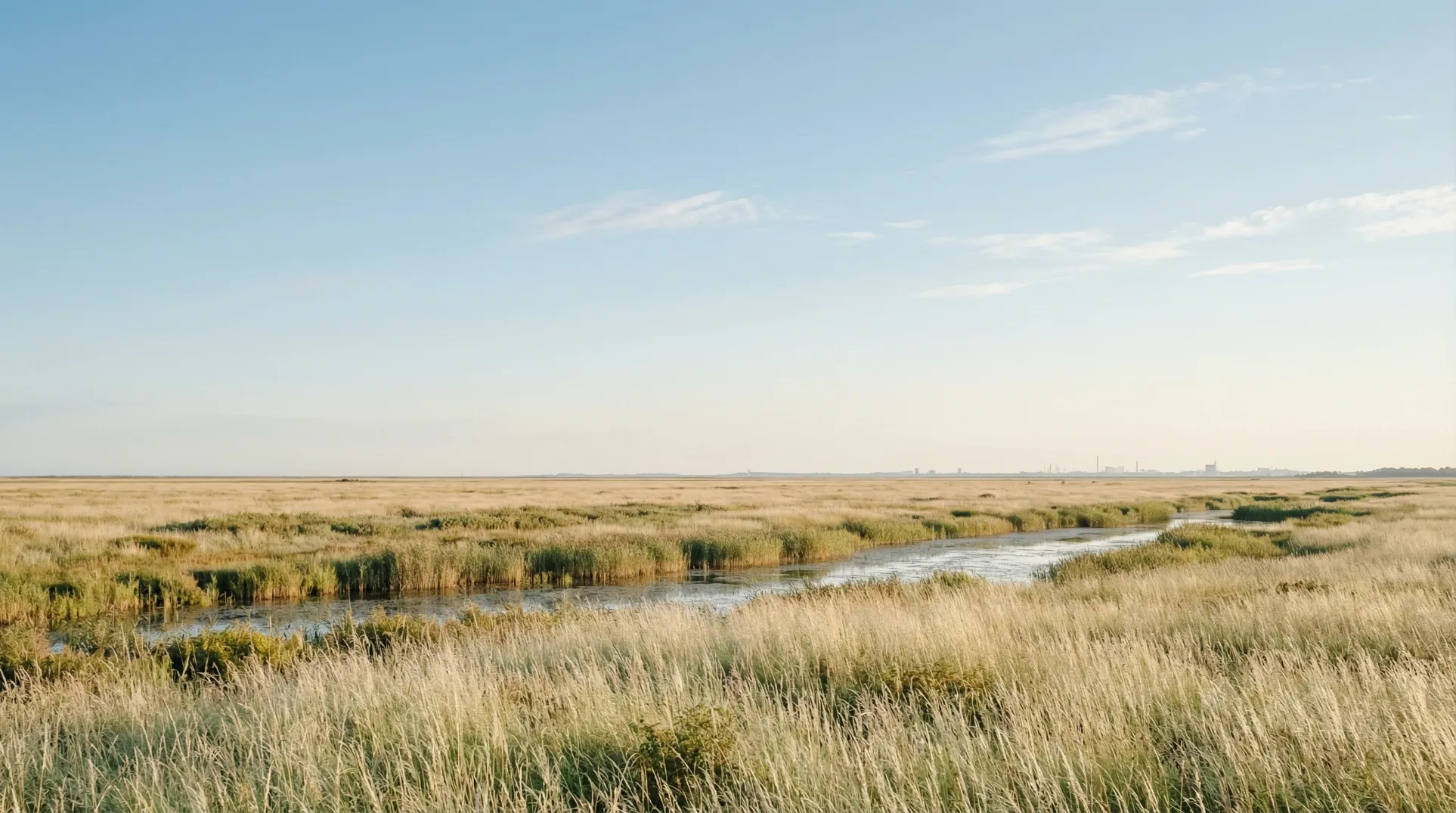
Amager
A large island south of the centre, Amager is a study in contrasts. Islands Brygge draws locals to its celebrated harbour baths in summer, while Ørestad showcases some of Scandinavia's most ambitious modern architecture.
Practical Info
Getting Around
Copenhagen is best explored on foot or by bike. The Metro is fast, clean, and runs 24 hours a day — you'll rarely wait more than a few minutes for a train.
Best Time to Visit
May to September brings long, golden evenings and outdoor harbour life. Winter has its own charm — cosy cafés, candle-lit streets, and proper Danish hygge.
Currency & Payments
Danish Kroner (DKK) is the local currency, but cards are accepted virtually everywhere — even at small bakeries and food stalls. Cash is almost never needed.
Language
Danish is the official language, but English is spoken nearly universally — by guides, in restaurants, even in casual conversation. You'll have no trouble communicating.